The therapy, explained simply
What is ABA therapy?
Applied Behavior Analysis (ABA) is a proven, evidence-based approach that helps children with autism learn the skills they need to communicate, connect, and thrive — by teaching in small, encouraging steps and reinforcing what works.
The science of learning, applied with heart
ABA is the study of how learning happens — and how we can use that understanding to help meaningful, positive behaviors grow. For more than 50 years, it has been the most researched approach for supporting children on the autism spectrum.
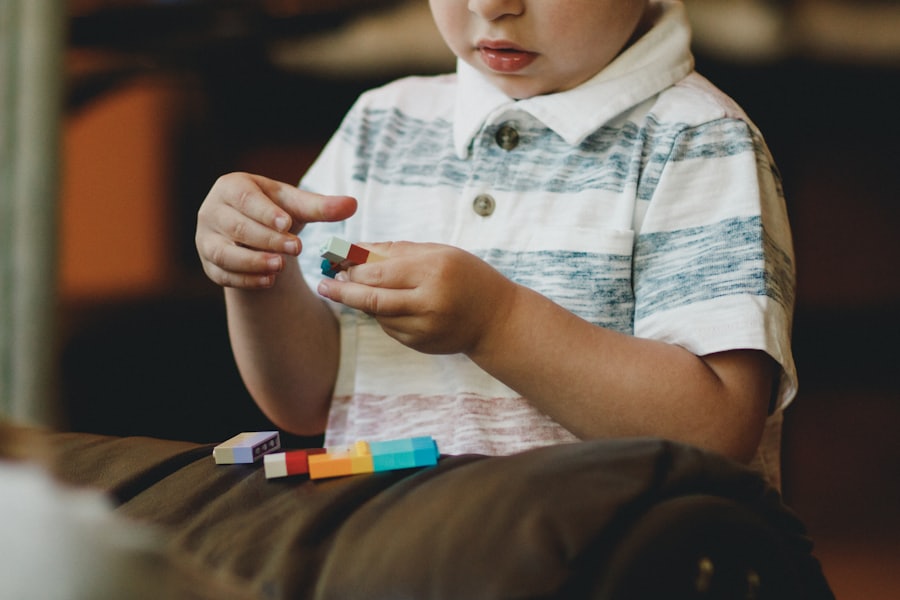
In practice, ABA looks a lot like guided play. A therapist notices what motivates your child, breaks a goal (like asking for a snack, or taking turns) into small teachable steps, and celebrates each success so the skill becomes natural over time.
Every program is individualized. There is no one-size-fits-all plan — your child's therapy is built around their strengths, interests, and goals.
The ABCs of ABA
Therapists look at behavior in three parts:
- Antecedent — what happens right before a behavior
- Behavior — the action the child takes
- Consequence — what happens right after, which shapes whether it happens again
Step by step
How ABA therapy works
A clear, collaborative journey — you're involved at every stage.
Consultation & intake
We start with a free conversation to understand your concerns, answer questions, and confirm insurance coverage.
Assessment
A Board Certified Behavior Analyst (BCBA) observes your child and gathers input from you to identify strengths and priority goals.
Individualized treatment plan
Your BCBA writes a personalized plan with measurable goals — communication, social skills, daily living, and more.
One-on-one therapy
A Registered Behavior Technician (RBT) delivers playful, structured sessions, supervised by your BCBA — at our center, at home, or at school.
Data & progress reviews
We track every session with data, review progress with you regularly, and adjust the plan as your child grows.
Family training & generalization
We coach caregivers so new skills carry over into everyday life — the real goal of ABA.
Why it matters
The benefits of ABA therapy
Skills that open doors — for your child and your whole family.
Communication
Words, gestures, or devices — we help children find their voice and express needs and wants.
Social skills
Turn-taking, sharing, and making friends become achievable, one interaction at a time.
Daily independence
Dressing, mealtimes, and routines — the everyday skills that build confidence.
Focus & learning
Attention and readiness skills that help children succeed in school settings.
Fewer challenging behaviors
By teaching helpful alternatives, we reduce behaviors that get in the way of learning.
Stronger families
Caregiver coaching brings more calm, connection, and confidence to daily life at home.
Delivered by qualified, caring professionals
Your child's care team is led by credentialed clinicians who are supervised, supported, and genuinely invested in your family.
- BCBA-led programs
- RBT-delivered sessions
- Ongoing supervision
- Ethics-first practice
BCBA
Board Certified Behavior Analyst — designs and oversees your child's treatment plan.
RBT
Registered Behavior Technician — delivers day-to-day therapy under BCBA supervision.
Good questions
ABA therapy FAQ
At what age can my child start ABA?
Is ABA covered by insurance?
How many hours per week will my child need?
Where does therapy take place?
Will therapy feel stressful for my child?
How is progress measured?
Ready when you are
Still have questions? Let's talk them through.
A free consultation is the easiest first step. No pressure — just clear answers from people who do this every day.